71 Rizal Blvd., Tagapo, Santa Rosa City, LagunaMonday – Saturday, 8:00 AM – 5:00 PM

Why do you need pest control?

Protect what matters with the Pestastic solution. Pests are more than unwanted visitors: they can threaten your family's health, contaminate food, damage valuable property, and disrupt the comfort of your home or business.

Termites
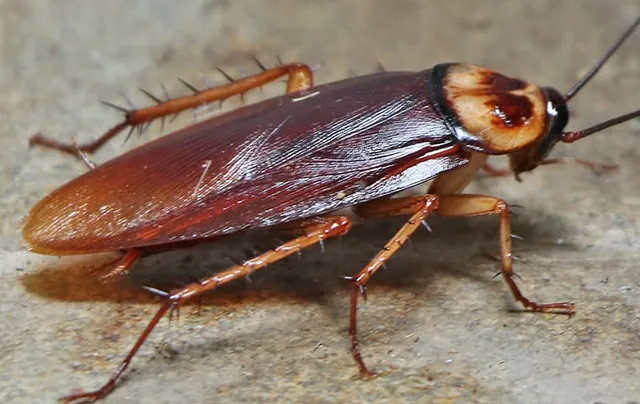
Cockroaches
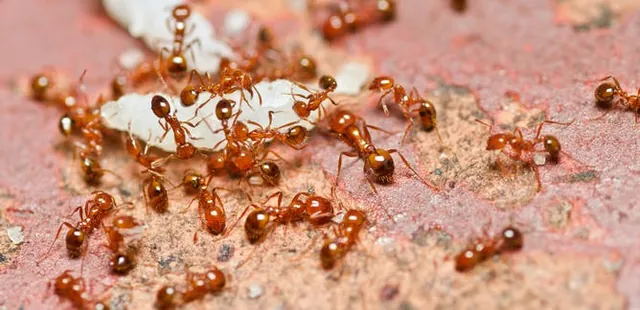
Ants
Rodents / mice
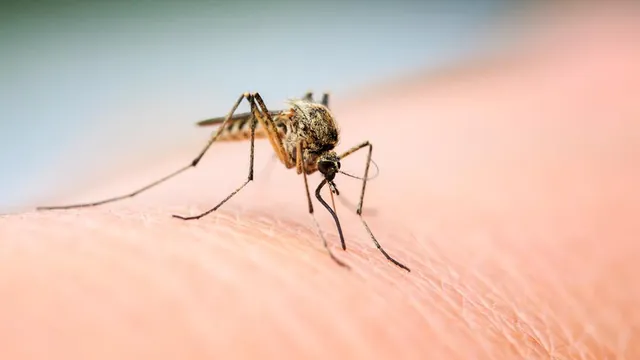
Mosquitoes
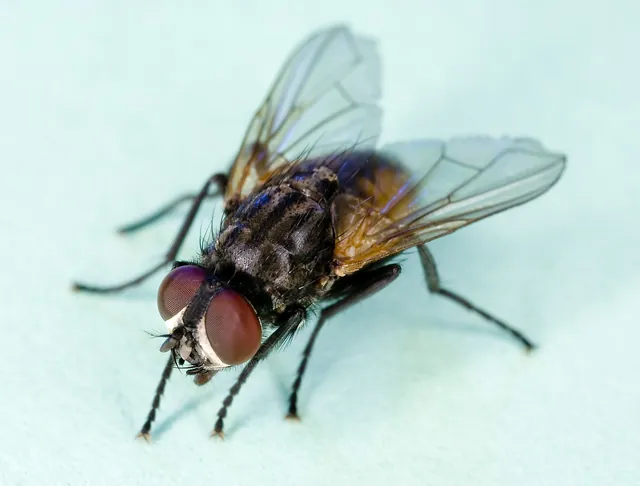
House flies
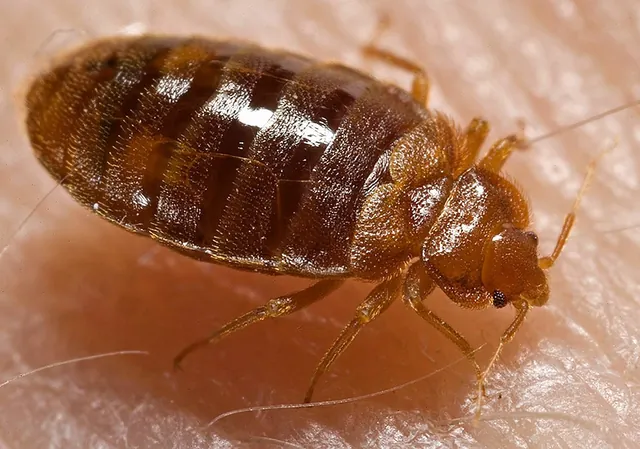
Bed bugs

Common pests we control

TermitesSilent destroyers that feed on cellulose materials and can cause extensive structural damage.
CockroachesCommon household pests that can contaminate food and surfaces and trigger allergies.
AntsPersistent invaders that establish colonies, contaminate food, and may cause painful bites or stings.
Rats & miceDestructive rodents that can spread diseases, contaminate food, and damage electrical wiring.
MosquitoesBiting insects capable of transmitting diseases such as dengue.
FliesCommon pests that can transfer disease-causing microorganisms to food and surfaces.
Bed bugsBlood-feeding insects that cause itchy bites, discomfort, and sleep disturbances.
Other pestsAdditional crawling and flying pests that need professional identification and targeted management.

Professional pest control goes beyond the visible

Professional pest control goes beyond eliminating visible pests. It involves proper inspection, identifying the source of infestations, applying appropriate treatments, and implementing preventive measures to reduce future pest activity.

At Pestastic, we combine three generations of pest management expertise with modern technology, professional treatment methods, and a commitment to responsible pest control.

Pests are health hazards

Some of the most common pests, such as rodents, cockroaches, and mosquitoes, can transfer terrible diseases.

Mice and rats can cause leptospirosis, which can be fatal if passed on to a human. Cockroaches are associated with salmonellosis, a bacterial infection they spread.

Mosquitoes can carry a host of illnesses, such as dengue and the chikungunya virus. It is impossible to know if a pest is carrying a disease or not, which is why it is best to have these pests taken care of.

Damage to property

Outward signs of termite damage include buckling wood, swollen floors and ceilings, areas that look like they have slight water damage, and visible soil tunnels within walls or furniture. Termite infestations can also give off a scent similar to mildew or mould.

Prevention is always better than cure: when you already have termites at home, you will still need repairs even after treatment. The best time to treat a home is before termites arrive, because they can move from one place to another.

Pestastic offers pre- and post-construction termite control treatment.

Over-the-counter chemicals are not enough

Pests evolve. Some are no longer affected by common chemicals bought from hardware stores, and many of these chemicals give off fumes and strong odours that can cause respiratory problems.

These chemicals can also help pests develop resistance. The German cockroach, for example, is rapidly developing resistance to many powerful insecticides.

Pestastic uses current methods to treat pests and projects with special concerns.
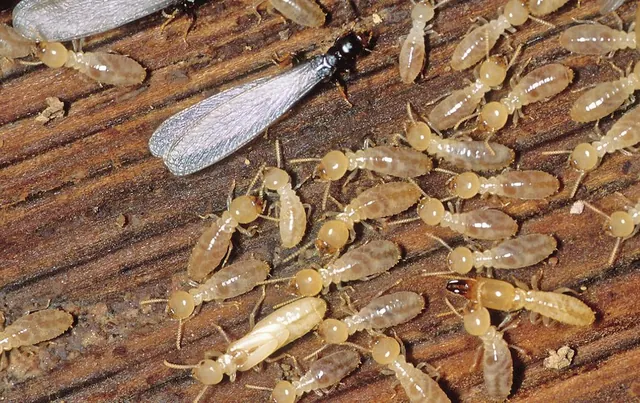
Know your termites

Know your termites

Six economically important termite species found in the Philippines.

Asian Subterranean Termite

Coptotermes gestroi

A highly destructive subterranean termite that builds underground colonies and mud tubes to reach wooden structures. Commonly damages foundations, door frames, flooring and other cellulose-based materials.

Mound-Building Termite

Macrotermes gilvus

A fungus-growing termite known for constructing large soil mounds. It feeds on plant materials and may damage wooden structures, especially near established colonies.

Nasute Termite

Nasutitermes luzonicus

Recognized by soldiers with pointed, nozzle-like heads. It feeds on cellulose materials and can infest wooden structures, sometimes building visible carton nests or covered pathways.

Los Baños Termite

Microcerotermes losbanosensis

A wood-feeding termite found in the Philippines that may damage timber and other cellulose-based materials, with colonies in or around wooden structures.

Philippine Drywood Termite

Cryptotermes cynocephalus

Infests dry wood without needing soil contact. Often found in furniture, cabinets, doors and roof timbers; look for small fecal pellets and hollowed wood.

Drywood Termite

Cryptotermes dudleyi

Can live entirely inside wooden materials, causing hidden damage to furniture, structural timber and other dry wooden parts.

When is termite season in the Philippines?

Termites don't take a season off. In our tropical climate, colonies stay active all year. Warm temperatures, high humidity and rain can trigger swarming, especially in the rainy season. These flying termites, called gamu-gamo, may signal a mature colony nearby.

SeasonTypical termite activity
Dry season (March–May)Termites remain active. Some species swarm during warm weather or around the first rains.
Rainy season (June–November)Warm, humid conditions and rainfall can trigger swarming in some termite species.
Cooler months (December–February)Swarming may be less noticeable, but established colonies keep feeding and damaging wood.

Signs of termite activity

  • Flying termites (gamu-gamo) gathering around lights, especially after rain
  • Discarded wings near windows, doors and light fixtures
  • Mud tubes along walls, foundations and other surfaces
  • Hollow-sounding or damaged wooden materials

Don't wait until visible damage appears. Schedule a professional termite inspection with Pestastic today!

Book a termite inspection
Video tips

Usapang Pest Tech

Quick pest control tips from the Pestastic team, in Tagalog.

Hindi Lang Basta Patay-Peste: Ano Ba Talaga ang Pest Control?
Bakit Mahilig Magtago ang mga Ipis?
Spray-Spray Lang Ba? Ang Katotohanan sa Professional Pest Control
We Bring Your Home Back To You!

Get your free quotation today

Tell us what you're seeing and when you're free. We'll get back to you with your inspection schedule and quotation.

  1. Send your requestUse the form, or call, text or message us on Messenger or Viber.
  2. Free inspectionA technician checks your property, finds the source and explains what we found.
  3. Your quotationWe recommend the right treatment and give you a quotation before any work starts.
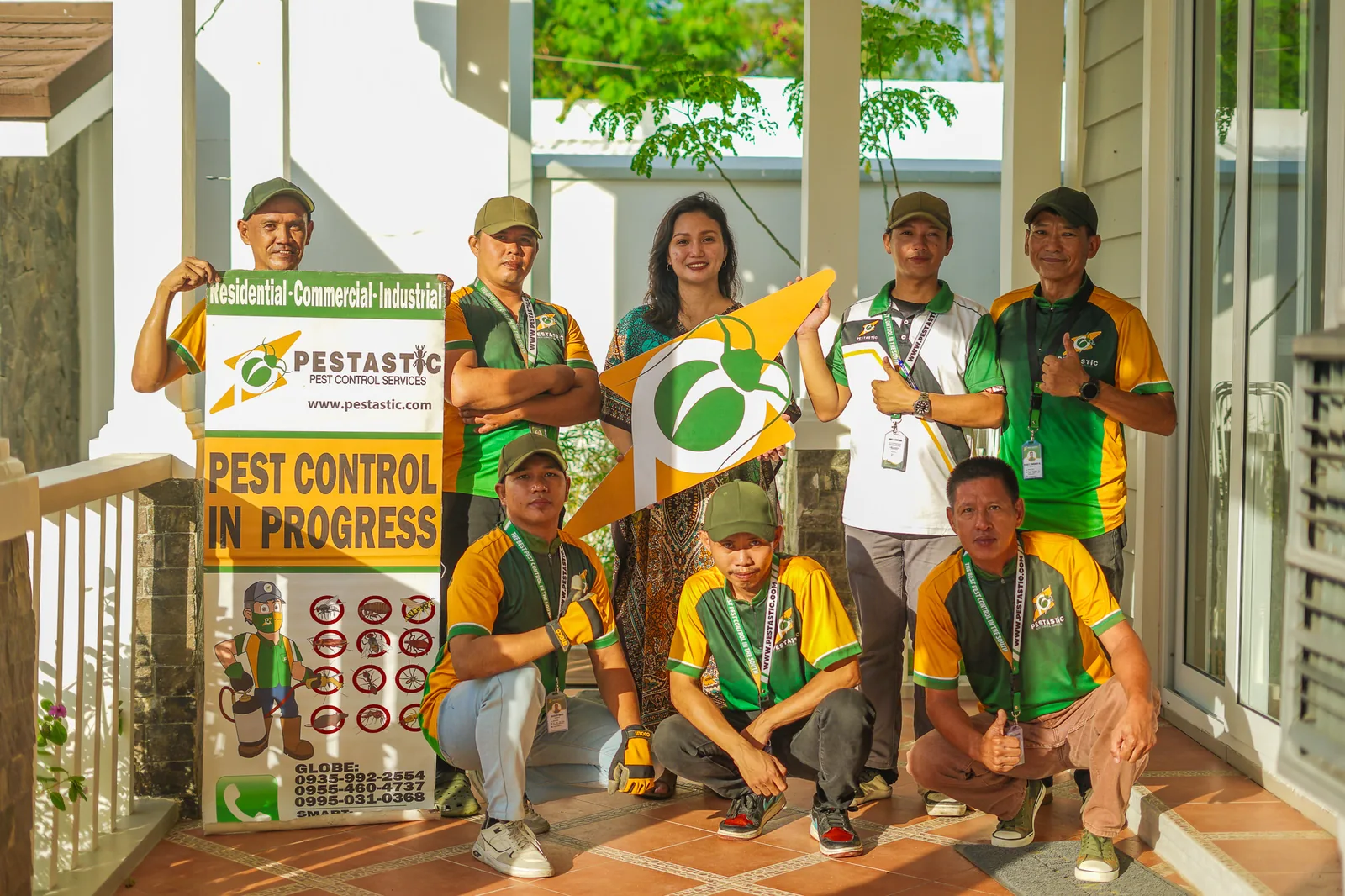
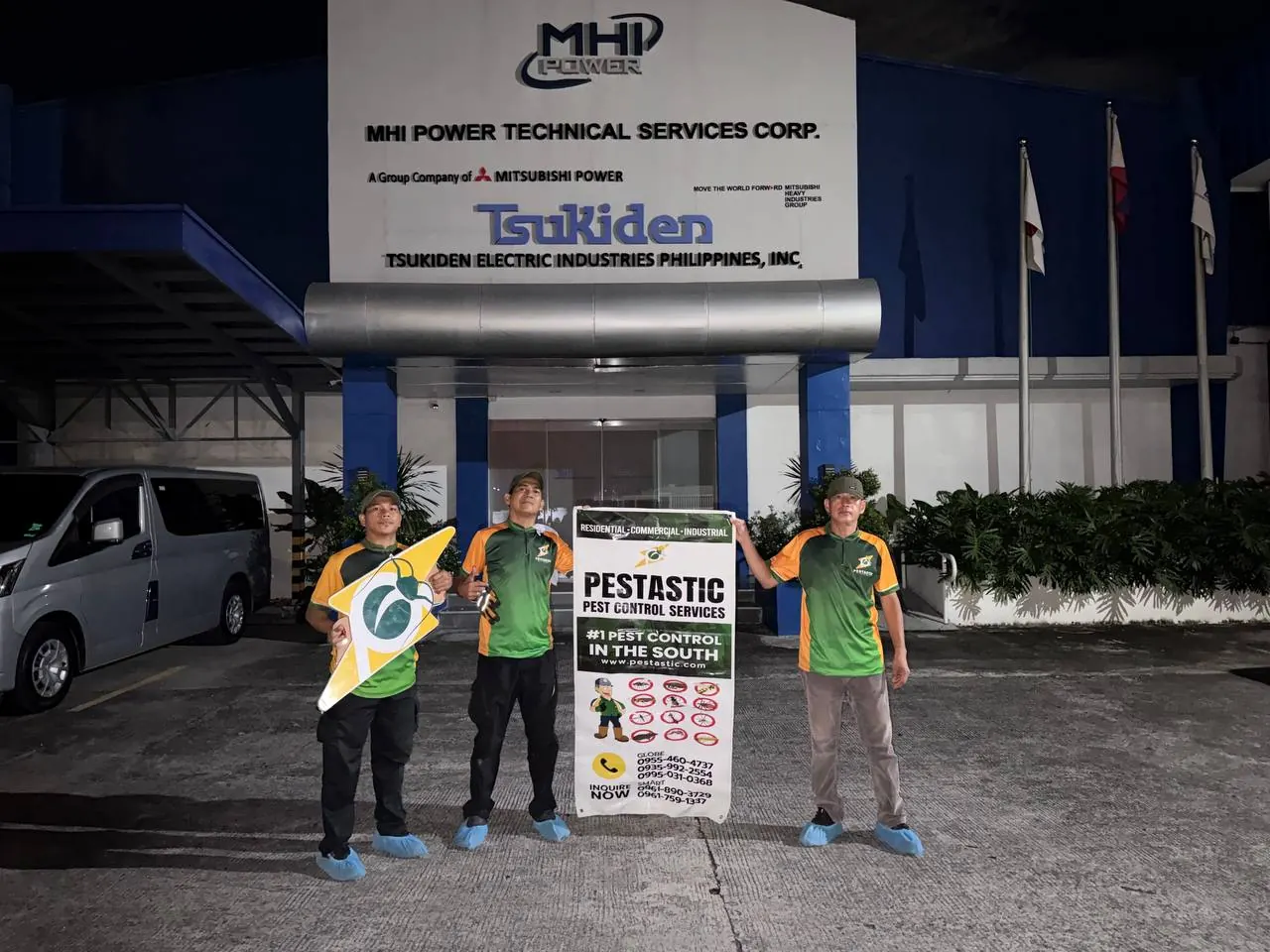
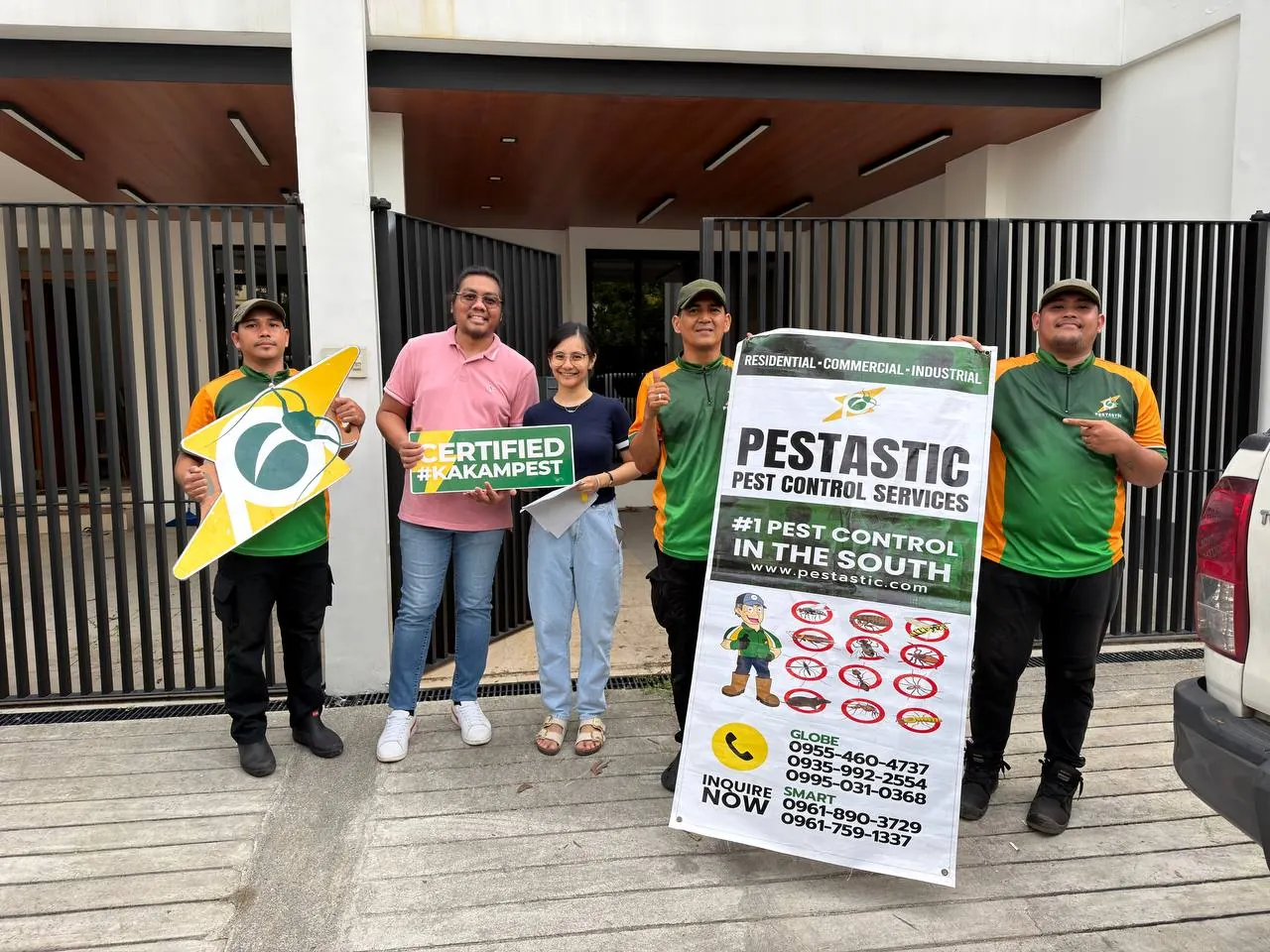
A satisfied client with the Pestastic teamClient visit 2Client visit 3Client visit 4Recent client visits

Free quotation request

Takes about 2 minutes. We inspect first, then give you a quotation.

Pest concern
Property type

Photos or videos help. You can send them on Messenger or Viber (0955-460-4737) after you submit.